
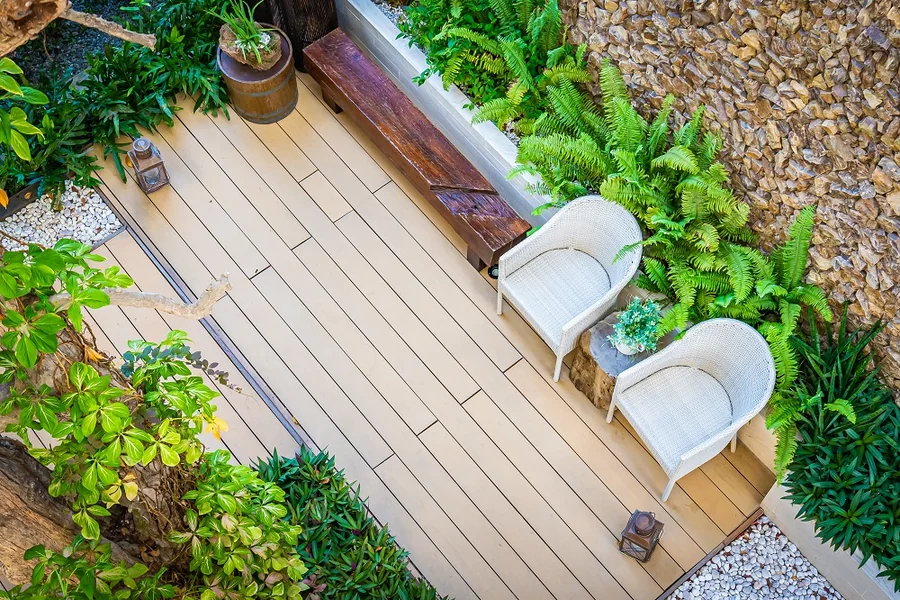
Modern deck construction involves more than selecting an attractive surface. A well-built deck relies on materials that work together to provide dependable support and create a finished appearance that suits the property. Material choices vary according to the deck’s design and structural requirements, making it important to consider how each component will perform within the overall system. Understanding these choices gives homeowners a clearer idea of what goes into building a durable and functional outdoor space. From the foundation upward, every material has a role in creating a deck that feels comfortable and built for regular use.
Concrete for Deck Foundations
A strong foundation provides the starting point for a stable deck. Concrete is commonly used for footings and other foundation elements that transfer the deck’s weight into the ground. Its strength makes it suitable for supporting posts and structural framing above grade. The size and depth of the concrete foundation depend on factors such as soil conditions, deck dimensions, local requirements, and the expected loads. Proper placement is particularly important because movement in the foundation can affect the entire deck structure. A properly planned concrete foundation gives the rest of the deck a stable base to build upon.
Wood for Structural Framing
Deck framing provides the underlying support that keeps the finished surface stable and secure. Pressure-treated lumber is widely used because it holds up well against the moisture and exposure associated with outdoor construction. Its size and configuration depend on the deck’s dimensions, span, design, and expected weight. Naturally durable species or engineered wood products may suit projects with specific structural or design requirements. Since framing remains largely concealed beneath the finished deck, proper moisture protection helps preserve its condition. Careful installation also ensures that the supporting structure works effectively with the foundation and surface above it.
Steel and Metal Components
Metal brings strength and a clean, contemporary character to many deck designs. Steel is often considered when a project requires a sturdy support system or a more streamlined appearance than traditional wood framing provides. This approach becomes particularly useful for designs with longer spans or more complex configurations, where the framing needs to accommodate greater structural demands.
Since outdoor conditions expose metal to moisture, finishes designed to resist corrosion help protect the material and preserve its performance. Connectors then tie the structural components together, creating secure joints and helping distribute loads throughout the frame. When each element is selected to suit the design, metal provides dependable support while maintaining the clean appearance often associated with modern decks.
Lightweight Fill Materials
Some deck projects require additional material beneath the structure to raise an area to a particular elevation. Traditional soil or aggregate can add considerable weight, which is not always suitable for every site. Lightweight fill materials such as geofoam offer another approach for projects where reducing fill weight is important. Materials manufactured under standards such as astm d6817 geofoam are used in engineered applications where consistent properties and lightweight performance are needed.
Geofoam may help create elevation while placing less load on the underlying soil than conventional fill. It is typically incorporated beneath structural layers rather than used as the exposed deck surface. Its suitability depends on the site’s soil conditions, structural design, drainage requirements, and other project-specific factors.
PVC and Composite Decking
The decking boards form the visible surface of the finished structure, so their material has a major influence on the deck’s appearance and maintenance requirements. Composite decking combines materials such as wood fibers and polymers, while PVC decking is primarily made from synthetic plastic.
Both options are available in different textures and profiles that suit contemporary outdoor designs. These materials are often selected for their resistance to moisture and their relatively low maintenance requirements. Installation methods vary between manufacturers, so board spacing, fasteners, ventilation, and expansion requirements need to be followed carefully.
Suppliers such as Dolans Lumber Doors and Windows may carry materials that support different stages of a deck project. They can provide options that help coordinate the decking with other construction materials and finishing details. Considering these components together helps create a deck that feels consistent in both appearance and function.
Aluminum for Railings and Details
Aluminum is another useful material for modern deck construction, particularly for railings and other visible architectural components. Its relatively lightweight nature makes it practical for railing systems while avoiding some of the maintenance concerns associated with traditional materials. Aluminum railings also bring a clean, streamlined appearance that suits contemporary outdoor spaces. Protective finishes help the material withstand outdoor exposure and reduce the risk of corrosion.
Depending on the design, aluminum can extend beyond the railing to create subtle details that tie the deck together. Its clean appearance pairs naturally with wood, composite, or PVC surfaces without drawing attention away from the main decking. Used thoughtfully, aluminum adds a refined finish while supporting the practical demands of an outdoor structure.
Glass and Metal for Modern Railings
Glass railings suit modern decks where preserving an open view is an important part of the design. Tempered glass provides a clear barrier that defines the deck’s edge without making the space feel closed in. Its transparency also allows surrounding landscaping and outdoor views to remain part of the overall setting. Metal components provide the support needed to secure the glass while contributing to the railing’s contemporary appearance.
Protective finishes help these components withstand outdoor exposure, while the glass itself needs regular cleaning to maintain a clear, polished look. Proper installation is essential to ensure the railing provides the required stability and meets applicable safety standards. When thoughtfully integrated into the deck design, glass and metal create a clean transition between the structure and its surroundings.
Fasteners and Hardware
Small hardware plays an important role in keeping a deck secure and stable. Exterior-rated fasteners are designed to withstand the moisture and weather exposure common in outdoor construction. Stainless steel or galvanized options are often chosen based on the materials involved and the surrounding conditions. Proper compatibility also helps reduce the risk of corrosion or staining while keeping connections reliable. Although these components are mostly hidden after installation, they contribute to the deck’s durability and structural stability.
Final Thoughts
Selecting materials for a modern deck involves looking at the entire structure rather than choosing decking boards in isolation. The foundation, framing, fill, surface, railing, hardware, and finishing components all need to work together. A material that performs well in one part of the deck might not be appropriate for another.
Site conditions also influence decisions, particularly when the project involves slopes, weak soils, significant elevation changes, or frequent moisture exposure. Maintenance requirements should be considered alongside appearance and initial construction costs. Taking a complete approach to material selection helps create a deck that feels cohesive while addressing the practical demands of the site.
