
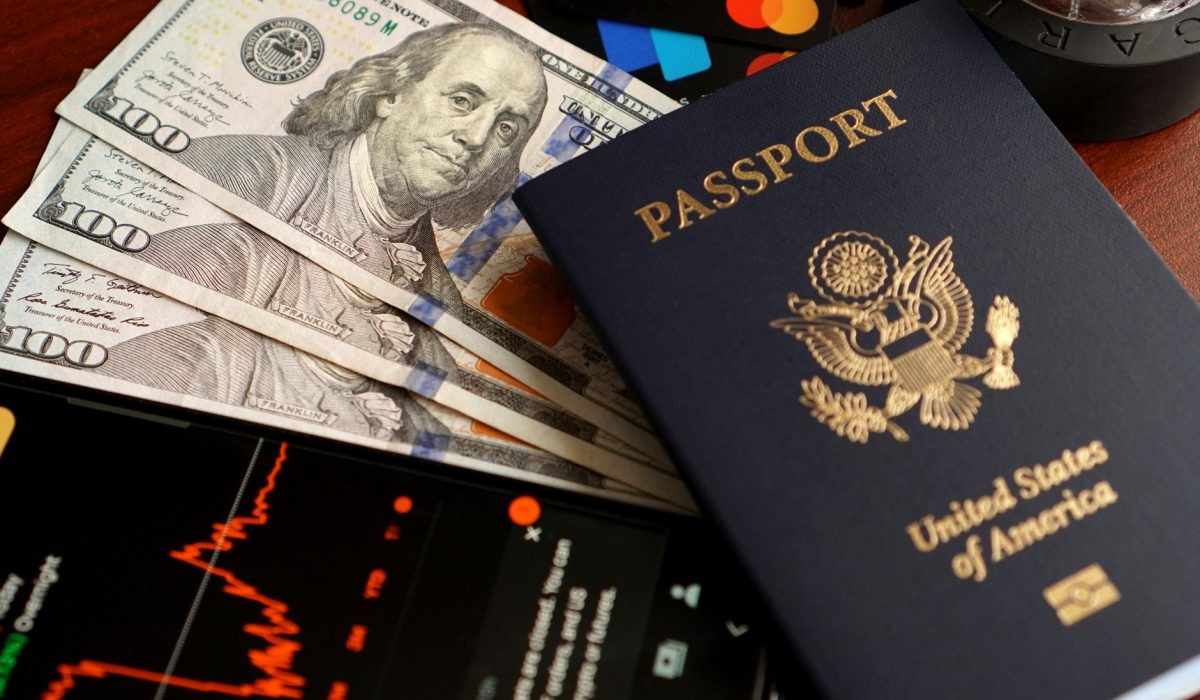
Traveling the world is a dream shared by millions of people. Many imagine visiting famous landmarks, experiencing different cultures, tasting unique foods, and creating unforgettable memories. However, one common belief often stops people from pursuing that dream: the idea that world travel is only for the wealthy.
The truth is that learning How To Travel The World On A Budget can make international travel far more affordable than most people realize. With careful planning, smart spending habits, and a willingness to be flexible, travelers can visit multiple countries without spending a fortune.
Budget travel doesn't mean sacrificing experiences or comfort. Instead, it involves making informed decisions that maximize value while minimizing unnecessary expenses. From finding affordable flights and accommodations to managing daily costs, there are countless ways to stretch your travel budget further.
Many experienced travelers spend months or even years exploring different parts of the world while spending less than they would living at home. The key is understanding where to save money and where to invest in meaningful experiences.
This guide covers practical strategies that can help you travel more often, stay within your budget, and enjoy incredible adventures around the globe.
Plan Your Travel Budget Before You Leave
One of the most important steps in affordable travel is creating a realistic budget before booking anything.
Start by determining how much money you can comfortably spend without creating financial stress. This amount will influence your destination choices, trip length, transportation options, and daily spending limits.
Research the average costs of the countries you plan to visit. Some destinations are naturally more affordable than others. For example, many countries in Southeast Asia, Eastern Europe, and parts of South America often provide excellent value for budget-conscious travelers.
Break your budget into major categories such as transportation, accommodation, food, activities, travel insurance, and emergency funds.
Having a clear financial plan helps prevent overspending and allows you to make smarter decisions throughout your journey.
It is also wise to track your expenses while traveling. Numerous budgeting apps can help monitor spending and ensure you remain within your planned limits.
A well-prepared budget creates confidence and helps travelers focus on enjoying their experiences rather than worrying about money.
Find Cheap Flights and Affordable Transportation
Transportation is often one of the largest travel expenses, but there are many ways to reduce costs.
Flexibility is one of the most powerful tools for finding cheaper flights. Traveling during off-peak seasons, flying on weekdays, and adjusting departure dates can often lead to significant savings.
Booking flights several months in advance may help secure lower fares, especially for international routes. At the same time, occasional last-minute deals can sometimes provide excellent value.
Budget airlines can be another effective option, particularly for regional travel. While these carriers may charge additional fees for baggage and services, they often offer very low base fares.
Once you arrive at your destination, public transportation can save a considerable amount of money compared to taxis and ride-sharing services. Buses, trains, subways, and trams are often inexpensive and provide a more authentic local experience.
For longer journeys between cities, overnight buses and trains can help reduce both transportation and accommodation expenses.
Walking and cycling are additional ways to save money while allowing travelers to experience destinations at a slower and more immersive pace.
Transportation costs can quickly add up, making careful planning especially important.
Save Money on Accommodation Without Sacrificing Comfort
Accommodation is another major expense that can significantly impact your travel budget.
Hostels remain one of the most popular options for budget travelers. Modern hostels often provide clean facilities, social environments, private rooms, and useful amenities at affordable prices.
Guesthouses, budget hotels, and locally owned accommodations can also offer excellent value while providing opportunities to connect with local communities.
Vacation rentals may be cost-effective for longer stays, especially when traveling with friends or family. Having access to a kitchen can further reduce expenses by allowing you to prepare some of your own meals.
House sitting has become increasingly popular among long-term travelers. In exchange for caring for someone's home or pets, travelers may receive free accommodation.
Work exchange programs can also provide housing opportunities. Some travelers volunteer at hostels, farms, or community projects in exchange for lodging and meals.
When selecting accommodation, consider location carefully. Staying slightly outside major tourist areas often results in lower prices while still providing easy access to attractions.
The right accommodation strategy can dramatically reduce overall travel expenses.
Reduce Daily Expenses While Traveling
Daily spending may seem small, but it can quickly accumulate over weeks or months of travel.
Food is one area where travelers can save substantial amounts of money. Eating at local restaurants, food markets, and street food vendors often costs less than dining in tourist-focused establishments.
Preparing occasional meals yourself can provide additional savings, especially during longer trips.
Many cities offer free attractions, including museums, parks, walking tours, cultural events, and historic neighborhoods. Researching these opportunities before arrival can help maximize your experiences without increasing costs.
Avoiding unnecessary purchases is equally important. Souvenirs, impulse shopping, and convenience purchases can quietly consume a significant portion of your budget.
Consider using local SIM cards or affordable international data plans rather than relying on expensive roaming services.
Small daily savings may not seem significant at first, but they can extend your travel opportunities considerably over time.
Being mindful of everyday expenses allows travelers to allocate more resources toward meaningful experiences.
Earn Money and Travel Longer
Many people assume they must save a large amount of money before traveling. While savings are important, some travelers supplement their budgets through income-generating opportunities while on the road.
Remote work has made long-term travel more accessible than ever. Freelancing, consulting, writing, graphic design, programming, virtual assistance, and online teaching are just a few examples of work that can be performed from almost anywhere.
Teaching English abroad remains a popular option for travelers seeking longer stays in foreign countries. Many destinations offer opportunities for qualified instructors.
Content creation, blogging, photography, and social media management can also generate income for some travelers, although building a sustainable audience often takes time.
Seasonal jobs and temporary employment opportunities may be available in certain regions, particularly in tourism-related industries.
Even a modest income stream can significantly extend your travel plans and reduce financial pressure.
Combining work and travel allows many people to experience the world for longer periods than they initially thought possible.
Final Thought
Learning How To Travel The World On A Budget is less about having unlimited money and more about making smart choices. By planning carefully, finding affordable transportation, choosing budget-friendly accommodations, managing daily expenses, and considering income opportunities, travelers can experience far more of the world than they might expect.
Budget travel does not mean missing out on incredible experiences. In many cases, traveling affordably encourages deeper cultural connections, greater flexibility, and more authentic adventures.
The world is filled with destinations that offer unforgettable experiences without requiring luxury-level spending. With the right mindset and preparation, international travel can become an achievable goal rather than a distant dream.
Whether you're planning a short vacation or a long-term journey across multiple countries, smart budgeting can help turn your travel aspirations into reality.
FAQs
Is it really possible to travel the world on a budget?
Yes. Many travelers successfully visit multiple countries by using affordable transportation, budget accommodations, and careful spending habits.
Which countries are best for budget travel?
Many destinations in Southeast Asia, Eastern Europe, Central America, and South America offer excellent value for budget-conscious travelers.
How much money do I need to start traveling?
The amount depends on your destination, travel style, and trip length. Careful planning can make travel possible with a variety of budgets.
How can I find cheap flights?
Flexibility with travel dates, booking in advance, comparing airlines, and traveling during off-peak seasons can often help reduce flight costs.
Are hostels safe for travelers?
Most reputable hostels are safe and provide secure storage options, staff assistance, and social environments for travelers.
Can I work while traveling internationally?
Yes. Many travelers earn income through remote work, freelancing, teaching, seasonal jobs, and other flexible opportunities.
What is the biggest mistake budget travelers make?
One of the most common mistakes is failing to plan expenses properly, which can lead to overspending and financial stress during the trip.